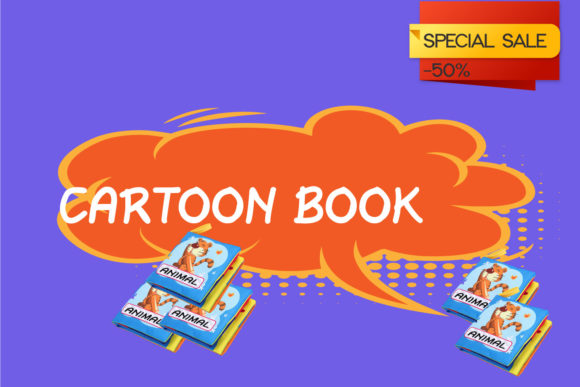
Cartoon Book: A Playful Display Font for Creative Editorial Design
While working on a redesign for a wellness-focused lifestyle blog, I found myself deep in the familiar struggle of finding the right typographic voice. The brand needed something fresh and expressive, yet grounded in readability and editorial clarity. That’s when I discovered Cartoon Book—a display font that managed to be both whimsical and professional, perfectly balancing tone and function in a way that felt just right for the project.
At first glance, Cartoon Book stands out with its bold, slightly rounded letterforms and a rhythm that feels both energetic and inviting. It's not a font that shouts for attention, but rather one that draws the reader in with its personality. The strokes are confident without being overpowering, making it ideal for use in headers, cover titles, and other key editorial moments where tone and visual hierarchy matter most.
For the blog redesign, I used Cartoon Book in the main header and found it worked especially well in a soft coral tone against a clean white background. It gave the site a youthful but not childish feel—perfect for a publication that covers everything from mindful living to seasonal recipes. The font’s subtle bounce and open spacing made it easy to read even at a glance, which is crucial for digital readers scrolling quickly through content.
Where Cartoon Book Shines in Editorial Design
One of the most compelling aspects of Cartoon Book is its versatility across formats. I’ve since used it in several other design contexts, including a recipe ebook and a digital planner for a coaching business. In each case, the font brought a sense of warmth and approachability without compromising on professionalism.
- Blog headers – Especially effective when paired with a clean sans serif for navigation and body text.
- Ebook covers – Adds visual interest and emotional resonance, helping the book stand out in a digital library.
- Newsletter graphics – Works well in featured section headers and callout quotes.
- Printable guides – Its bold presence helps anchor the design without overwhelming the layout.
- Chapter openers – A great way to introduce new sections in long-form editorial content.
In each of these applications, Cartoon Book served as a focal point, guiding the reader’s eye and reinforcing the emotional tone of the content. Whether it was a playful quote in a newsletter or a bold title in a digital magazine layout, the font consistently delivered a sense of warmth and creativity.
Typography That Builds Reader Engagement
Good editorial design is about more than just aesthetics—it’s about creating a reading experience that feels intuitive and enjoyable. Cartoon Book contributes to that experience by offering a clear visual rhythm and a personality that complements a wide range of content styles.
It’s especially effective when used at larger sizes. I found it particularly useful for pull quotes and feature titles in a digital magazine layout I recently completed. The font’s open counters and consistent stroke widths helped maintain legibility, even when overlaid on colorful or textured backgrounds.
However, it’s worth noting that Cartoon Book is best reserved for short bursts of text. It’s not designed for long-form body copy, and trying to use it for extended reading would likely compromise readability. Instead, it works best when paired with a more traditional serif or sans serif font that can carry the bulk of the content without fatigue.
Font Pairing for a Balanced Editorial Look
One of the joys of working with a display font like Cartoon Book is the opportunity to build thoughtful font pairings. In the lifestyle blog project, I paired it with a modern serif font for article titles and a clean sans serif for captions and navigation elements. The contrast between the playful Cartoon Book header and the refined body text created a visual hierarchy that felt both intentional and reader-friendly.
For a recipe ebook, I paired Cartoon Book with a warm, handwritten script for subheadings and a soft serif for ingredient lists and instructions. This combination gave the document a handcrafted feel while maintaining clarity and structure. In both cases, the font acted as a kind of typographic anchor, setting the tone for the rest of the layout.
Practical Considerations for Using Cartoon Book
Before incorporating Cartoon Book into any publication, it’s important to review the font’s technical specifications and licensing terms. As with any commercial font, it’s crucial to ensure it includes the necessary file formats, multilingual support, and appropriate licensing for your intended use—especially if you’re creating ebooks, templates, or digital downloads for sale.
From a design standpoint, Cartoon Book includes several alternate characters and ligatures that can be used to customize the look and feel of the text. These subtle variations allow for a more tailored typographic experience, especially in printables and editorial features where visual interest is key.
It also performs well across different mediums. I tested it in both screen-based layouts and printed materials, and found it maintained its clarity and charm in both environments. Whether used in a mobile newsletter or a PDF planner, the font’s character remained consistent and engaging.
Choosing the Right Editorial Moments for Cartoon Book
While Cartoon Book is incredibly versatile, it does have its ideal use cases. It shines brightest in titles, subtitles, and decorative accents—especially in projects that benefit from a touch of personality without sacrificing professionalism. It’s less suited for long-form reading, but when used in moderation, it can elevate the visual appeal of almost any editorial layout.
In a recent wedding guide project, I used Cartoon Book for chapter titles and special feature boxes. The font added a sense of joy and celebration to the design without veering into the overly casual. It also worked beautifully in a coaching workbook, where it was used for section headings and motivational quotes, helping to create a supportive and uplifting tone.
Ultimately, Cartoon Book is more than just a display font—it’s a design tool that brings a sense of rhythm, warmth, and intentionality to editorial projects. Whether you're designing a digital magazine, a printable planner, or a newsletter header, it offers a unique blend of character and clarity that can help your content stand out in a meaningful way.